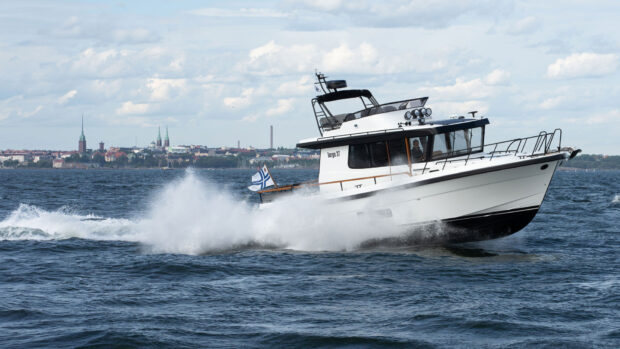

In 1970, two men attempted a 569-mile Arctic crossing in Nordkapp 17 HTs, five-metre boats, proving that nerve and seaworthiness matter more than size
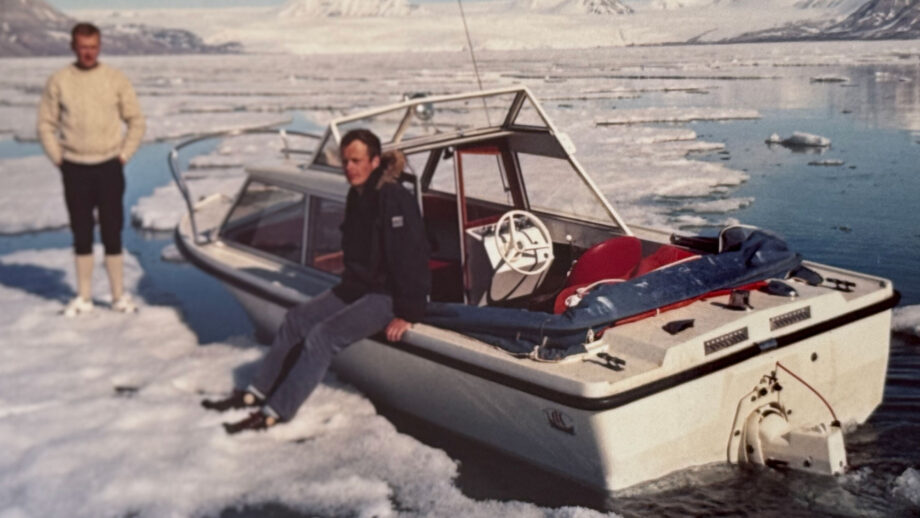
The air carried the dry cold that belongs only to Svalbard, even in summer. Two men stood beside their Nordkapp 17 HTs, each vessel only five metres long, looking small against the Arctic backdrop. Fog was slipping in from the sea. But Bernt Salamonsen and Harry Pedersen were ready.
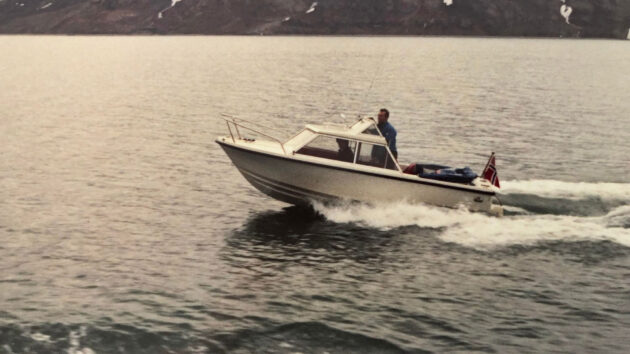
Photo: Nordkapp
In the summer of 1970, they aimed to run more than 500 nautical miles from Svalbard to Tromsø. It was a journey that demanded nerve, judgement, and an unshakable belief in their boats.
For sixty years, Nordkapp owners have relied on that same confidence.
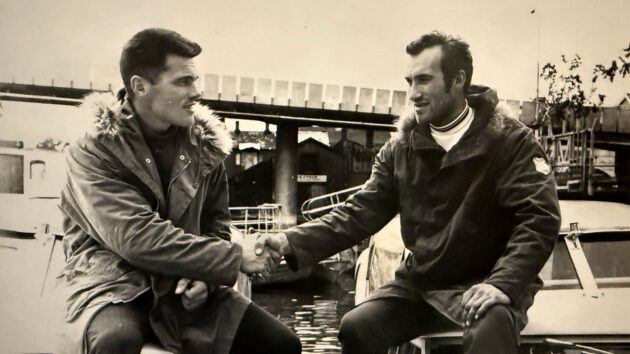
Photo: Nordkapp
The route, the gear, and the odds
On paper, the plan was clear: run south to Bjørnøya, refuel, then continue towards Tromsø. In reality, little felt simple. Forecasts were unreliable. The open sea between Svalbard and the mainland left no place to hide. And the gear available in 1970 was limited.
The Hurtigrute ship Harald Jarl brought nine barrels of fuel north. Four were unloaded on Bjørnøya, an island roughly midway on the route, and the rest were delivered to Svalbard.
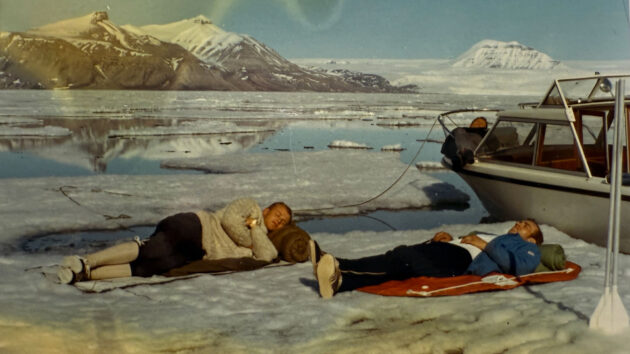
Photo: Nordkapp
One boat had a 115 hp engine, the other a 130 hp. Both carried magnetic compasses, charts, and electric wipers. Only one had a radio receiver. Including an extra barrel lashed on deck, each carried 270 litres of fuel. It was just enough.
After a 220-nautical-mile test run, they felt as ready as anyone could be.
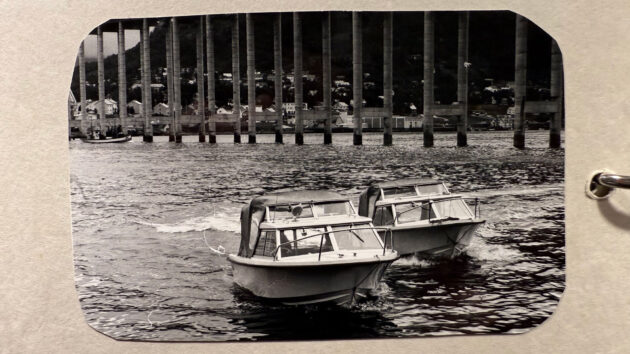
Photo: Nordkapp
Into the fog
They set off the following day, on Thursday evening. The first stop was Svalbard’s final outpost to deliver mail to a local trapper. Not long after departure, ice drifted across their path, and they worked through it slowly. Then the fog arrived, erasing all sense of distance and direction.
They waited it out at a radio station, but the next morning brought no improvement. They pushed on anyway. Upon reaching the final outpost, Salamonsen clipped the bottom and damaged a propeller, forcing a repair on the water.
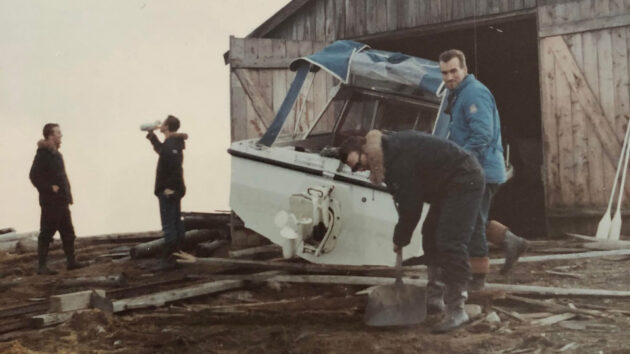
Photo: Nordkapp
With the mail delivered, they left the relative safety of Svalbard for their first long stretch in open sea. They would find no shelter between them and Bjørnøya. The sea was clear as they continued south. But one hour later, the fog returned, thicker than before. The wind rose, stirring the sea into a turmoil. Running the engines at 2800 RPM gave them no more than 8-10 nautical miles per hour.
Two hours into the open sea, Pedersen struck a log. Two blades bent. They pulled the prop off, straightened it as best they could, and carried on.
Ten hours later, the singing wind continued to worsen the sea, still wrapped in grey with the compass as their only guide, they spotted a trawler ahead. The Russian crew suspected the two men were smugglers and brought them aboard. All Salamonsen and Pedersen wanted was to check their course.
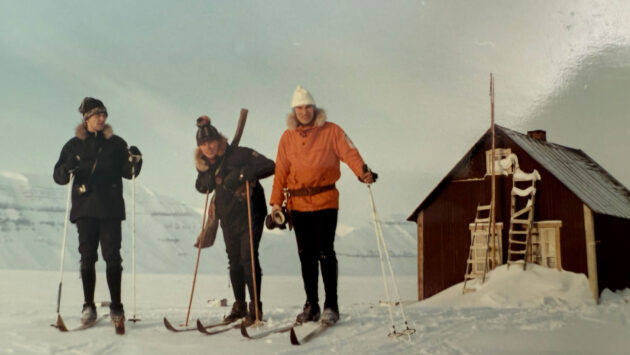
Photo: Nordkapp
After a long exchange in four languages, the Russians gave them a heading. It was wrong.
When the fog suddenly lifted, Bjørnøya was behind them, bearly visible. Salamonsen later said they would have missed it entirely if the weather hadn’t cleared.
The long run south
Reaching Bjørnøya on Saturday morning after a slow grind shaped by weather, repairs, and long hours without a clear horizon. It was an essential stop to refuel both men and boats.
But the rest did not last long. Heavy swells rolled in, and one of the boats tore free and washed ashore. The other Nordkapp pulled it back into the water. The damaged propeller was replaced, and the hull was checked as best as possible.
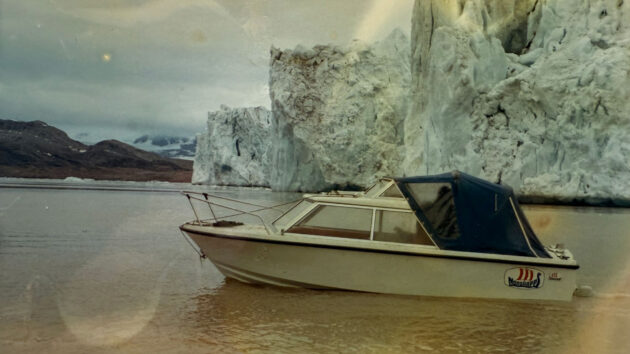
Photo: Nordkapp
When the weather report looked acceptable, they left. The sea had other ideas. Wind pushed in from the open Arctic, the waves steepened, and the two men were forced to turn back.
The next morning, the Hurtigruta express ship Harald Jarl arrived at Bjørnøya to collect a passenger. Salamonsen and Pedersen jumped into their boats and set off behind it, running for sixteen hours in the steady wake of the larger ship. Slowly, the mainland took shape.
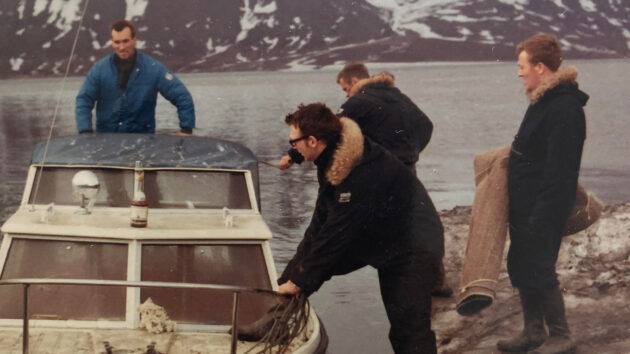
Photo: Nordkapp
Arrival in Tromsø
After thirty-eight hours at sea and 569 nautical miles, the two Nordkapps reached Tromsø on Monday morning. They had burned more than one thousand litres of fuel between them.
They stepped onto the pier in quiet relief. Asked later about the danger, they gave a simple answer. “These boats are so seaworthy that there is no danger, as long as the engine keeps running.”
Photo: Nordkapp